
Cold weather is hard on rented homes. A failed boiler or black mould can soon become an urgent call-out. Knowing your landlord safety obligations keeps you ahead. Here are your key landlord legal responsibilities in England, plus a winter checklist.
Related: The future of renting: what the Renters’ Rights Act means for landlords
Tackle damp and mould early
Damp is a common winter problem in rented homes. It starts when warm, wet air from cooking, showers, and drying clothes meets cold walls. Mould can then grow. Left alone, it can make people unwell and slowly damage your property.
Spot the warning signs
Look for black spots on window frames, peeling wallpaper, and a musty smell. Check behind furniture that stands against outside walls. Water running down the windows each morning is another clue. Ask tenants to report these signs to you quickly.
Fix the cause
Wiping mould away only hides it. Finding the source helps stop it returning. Leaking gutters, broken extractor fans, and blocked vents are common causes. Under the Housing Health and Safety Rating System, councils can treat serious damp as a hazard.
Keep the heating running
When heating fails in winter, babies and older people are especially at risk. Tenants also expect fast action, because a cold home soon becomes hard to live in. Two things keep you covered: your repair duty and a well-kept boiler.
Know your repair duty
Section 11 of the Landlord and Tenant Act 1985 requires working heating and hot water. Tenants cannot be charged for repairs unless they caused the damage. If the boiler breaks, arrange a repair quickly and offer a portable heater meanwhile.
Service the boiler yearly
A yearly boiler service is separate from the legal gas safety check. Book one now if it is due. The engineer cleans and tests the boiler so it runs reliably all winter long. Steady heating also helps keep damp away.
Related: The landlord’s guide to tenant relationships and rental reform
Keep safety checks current
Most key landlord safety obligations follow fixed timetables. Missing one can lead to fines and put tenants at risk. Three areas need regular attention: gas, electrics, and alarms. Gas and electrical checks also produce paperwork, so keep every record safe.
Gas and electrical safety
Faulty gas appliances can cause fires or leak poisonous fumes. Old or worn wiring can give electric shocks or start fires too. Neither danger is easy to spot by eye, which is why the law sets firm deadlines for both.
Yearly gas checks
The Gas Safety (Installation and Use) Regulations 1998 require a gas safety check every 12 months. A Gas Safe registered engineer must do it. Give existing tenants the record within 28 days. New tenants need a copy before moving in.
Five-yearly electrical checks
At least every five years, an electrician must check the wiring and write an Electrical Installation Condition Report. Share it with tenants within 28 days, or before a new tenant moves in. Fix dangerous faults, and any needing more checks, in that period, or sooner if the report requires.
Smoke and carbon monoxide alarms
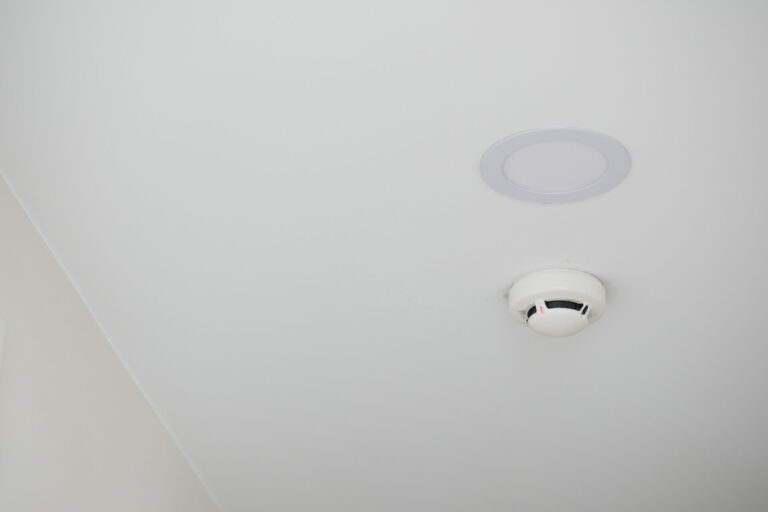
Fit a smoke alarm on every floor where people live. Living spaces with a fixed fuel-burning appliance, like a boiler, need a carbon monoxide alarm. This poisonous gas has no smell. Gas cookers are exempt. Test alarms when tenancies start.
Related: Avoiding costly errors under the Renters’ Rights Act
Good care keeps good tenants
The first phase of the Renters’ Rights Act came into force on 1 May 2026. Most tenancies now have no fixed end date. Tenants can remain for years or give two months’ notice. Good care can mean fewer empty months.
Use winter inspections well
Regular inspections help you catch small problems before they grow into costly repairs. They also show tenants that you care about their home. Give at least 24 hours’ written notice, then use the visit to work through these quick jobs.
- Bleed radiators of air
- Insulate exposed water pipes
- Check the loft insulation
- Show tenants the stopcock
- Give tenants emergency numbers
- Leave out de-icing salt
Lean on local experts
Managing these checks takes time. At Newton Fallowell, our lettings teams can help with inspections, safety checks, and winter repairs, depending on your chosen service. That can mean less time chasing tradespeople. To protect your investment, speak to your local Newton Fallowell office.