Shared houses are a common part of the East Midlands rental market, with students and young professionals often choosing to live together. HMO rules can apply to different types of shared properties, from five-bedroom student lets to three-person professional house shares.
Getting it right protects your tenants and your income. The good news? Most rules follow a clear pattern once you break them down. Below, you will find guidance on licensing, room sizes, fire safety, tenancy changes, and the paperwork to keep.
Related reading: Managing Your Own Property? Take the Two-Minute Landlord Quiz
HMO compliance for landlords starts with the right licence
Councils run three types of licensing scheme, and each rented property needs the right one. Letting a licensable property without a licence is a criminal offence.
Mandatory licensing covers larger shared homes
A property needs a mandatory HMO licence when five or more people live there. They must form two or more separate households. They must also share basic amenities, such as a kitchen, bathroom, or toilet. The number of storeys makes no difference. A licence can last up to five years.
Additional and selective schemes vary by council
Councils can bring in additional licensing for smaller HMOs, often those with three or four tenants. Selective licensing works differently. It covers private rented homes in a set area that fall outside HMO licensing. Each council decides whether to run a scheme, and where, after public consultation.
Questions to put to your council
- Is my property in an additional or selective licensing area?
- When does the current licensing scheme end?
- What are the licence fees, and are discounts available?
- Does an Article 4 direction apply to my property, requiring planning permission for a small HMO?
Related reading: Landlord compliance made simple: a practical guide to PRS Database readiness
Room sizes and shared facilities set the standard
Every licence comes with conditions attached, and many focus on the physical layout. Inspectors may check whether each bedroom is big enough and whether kitchens and bathrooms suit the number of tenants.
Minimum bedroom sizes decide who sleeps where
National rules set minimum bedroom sizes in a licensed HMO. A room for one person aged over 10 must be at least 6.51 square metres. Two people aged over 10 need 10.22 square metres. A child under 10 needs 4.64 square metres. Anything smaller cannot be a bedroom.
Kitchens and bathrooms must match the headcount
Your licence sets the maximum number of people allowed. National regulations set minimum amenity standards for that number, and many councils publish local guidance. The standards cover sinks, cookers, worktops, bathrooms, and toilets. A council may ask for a second bathroom once tenant numbers pass five.
Fire safety duties that come with shared homes
A fire in one bedroom can threaten every tenant in the house. The rules below set the legal minimum, and your licence conditions may ask for more.
Smoke and carbon monoxide alarms done right
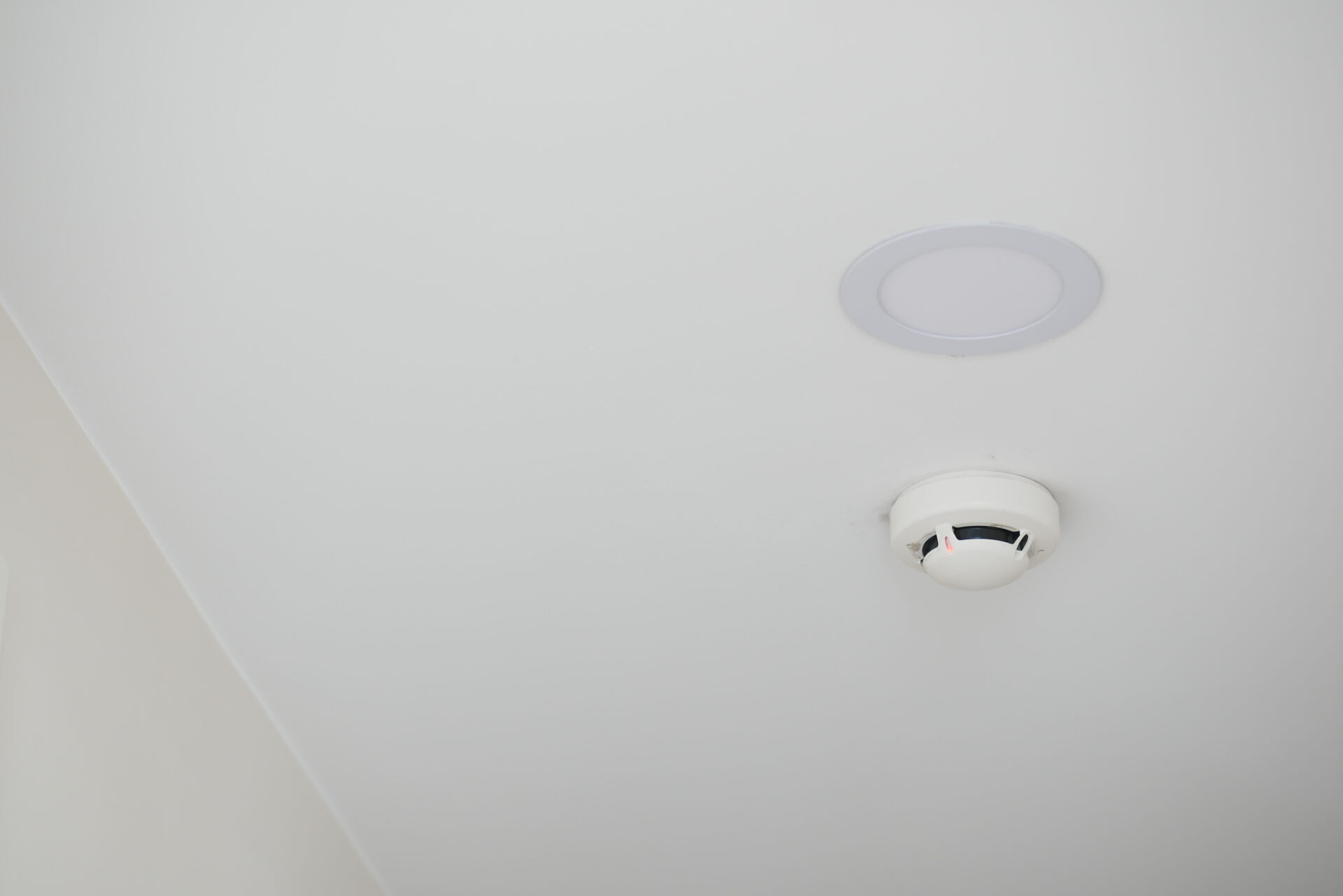
Each storey with living space needs a working smoke alarm. A room used as living accommodation may contain a fixed combustion appliance, such as a boiler. If so, it needs a carbon monoxide alarm. Gas cookers are excluded. Alarms must be checked on the day each new tenancy begins.
Escape routes and fire doors
Tenants need a safe way out. Under the HMO management regulations, escape routes must stay clear of bikes, bins, and boxes. Fire doors should close on their own and fit their frames. Fire blankets in kitchens and emergency lighting on stairs may also appear in your licence conditions.
A written fire risk assessment
The Regulatory Reform (Fire Safety) Order covers the shared parts of an HMO, such as halls and landings. Those areas need a fire risk assessment. Review it after building work, a layout change, or a new mix of occupants. A competent fire risk assessor can help with larger houses.
HMO landlord responsibilities that keep you on track
Securing a licence is step one. Keeping it depends on steady management and a tidy paper trail. Small habits make each council visit easier to handle.
Routine duties under the management regulations
HMO landlord responsibilities run all year round. The management regulations set out duties for every HMO, whether licensed or not. Breaching them is a criminal offence. Councils can issue a civil penalty instead of prosecuting. The main day-to-day duties include:
- Display the manager’s name, address and contact number.
- Keep shared areas clean and well maintained.
- Maintain water, drainage and frost protection.
- Provide enough bins for all occupants.
- Ensure reliable gas and electricity supplies.
Certificates and records to keep current
Paperwork proves the work was done. Councils can ask for copies at licence renewal or after a complaint. Store digital copies alongside the paper originals, so nothing goes missing. Tenants must also receive a copy of each new gas safety record.
- Gas safety check: carried out every 12 months by a Gas Safe registered engineer.
- Electrical Installation Condition Report (EICR): at least every five years, or sooner if the report says so.
- An Energy Performance Certificate (EPC), where required.
- Fire alarm and emergency lighting test logs.
- Your licence and its conditions, with the renewal date in your diary.
What 1 May 2026 changed for HMO tenancies
Key parts of the Renters’ Rights Act took effect on 1 May 2026. They apply to most HMO lets. Two changes stand out for shared houses.
Periodic tenancies replace fixed terms
Most existing assured shorthold tenancies converted to assured periodic tenancies on 1 May 2026. New lets now start as periodic tenancies too. Section 21 notices can no longer be served. Landlords seeking possession use the grounds in Section 8, each with its own notice period.
Ground 4A helps student lets follow the academic year
Ground 4A allows landlords of qualifying student HMOs to seek possession at the end of the academic year, so they can relet to new students. Landlords must meet specific conditions, including giving tenants advance written notice and generally providing four months’ notice ending between 1 June and 30 September.
Related reading: The landlord’s guide to tenant relationships and rental reform
Where compliance meets your portfolio’s value
Good compliance records can make an HMO easier to let, renew a licence for, and sell. They also give you a solid base for judging how hard each property works.
What a rental valuation shows you
A landlord rental valuation compares your rent with similar shared homes nearby. It can show whether room rates have kept pace with demand. It may flag upgrades, such as an extra shower room, that could lift income. At Newton Fallowell, our lettings teams work with landlords across the East Midlands.
Related: How rental income reporting will work under Making Tax Digital
Planning your next move with clear figures
Fresh, local figures can help you weigh up big portfolio decisions. You might refinance, add a property, or sell one that no longer fits your plans. To find out your property’s current rental value, speak to your local Newton Fallowell office.